Information
Landmark: Nesjavellir Geothermal Power PlantCity: Thingvellir
Country: Iceland
Continent: Europe
Nesjavellir Geothermal Power Plant, Thingvellir, Iceland, Europe
The Nesjavellir Geothermal Power Plant is a large-scale power station located in the southwest of Iceland, within the Hengill volcanic area. It generates both electricity and hot water for the capital region of Reykjavik.
Visual Characteristics
The plant comprises a complex of industrial structures, including multiple turbine halls, steam separators, and extensive networks of insulated pipes. Dominant materials are concrete, steel, and corrugated metal, typically in shades of grey, white, and metallic silver. Visible plumes of steam continuously rise from various points across the facility, contrasting with the surrounding dark volcanic rock and sparse vegetation. The overall appearance is functional and engineered, integrated into the rugged landscape.
Location & Access Logistics
The Nesjavellir Geothermal Power Plant is situated approximately 30 kilometers east of Reykjavik and 15 kilometers southwest of Thingvellir National Park. Access is primarily via Route 36, turning onto Route 360 (Nesjavallavegur) which leads directly to the plant. A designated parking area is available for visitors near the information center. Public transportation does not directly serve the plant; private vehicle or organized tour bus is required for access.
Historical & Ecological Origin
Construction of the Nesjavellir Geothermal Power Plant commenced in 1987, with its official inauguration and commencement of operations in 1990. It was developed by Reykjavik Energy (Orkuveita Reykjavíkur) to harness the high-temperature geothermal resources of the Hengill volcano area. The plant's primary purpose is the co-generation of electricity and hot water for district heating, utilizing steam and hot water extracted from boreholes drilled into the geothermal reservoir.
Key Highlights & Activities
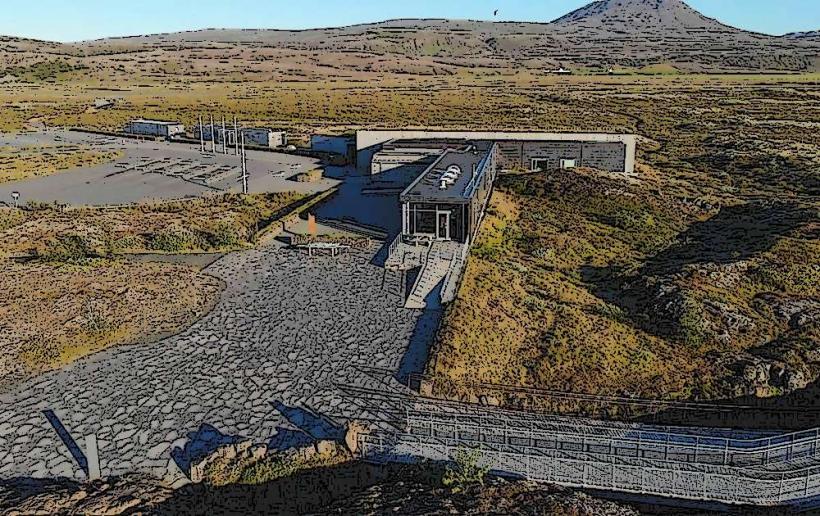
Visitors can access an information center that provides educational exhibits on geothermal energy production and the plant's operational processes. An outdoor observation deck offers views of the power plant infrastructure and the surrounding volcanic landscape. Guided tours are occasionally available, detailing the engineering and environmental aspects of the facility.
Infrastructure & Amenities
Restroom facilities are available within the visitor information center building. Shade is limited to the interior of the visitor center. Cell phone signal, including 4G and 5G, is generally reliable in the immediate vicinity of the plant. A small cafe is located inside the visitor center, offering light refreshments and beverages.
Best Time to Visit
The plant is accessible year-round. The visual impact of the steam plumes is often more pronounced during colder months, typically from October to April. Photography is best during clear weather conditions to capture the industrial structures against the landscape. Daylight hours are longest during the summer months (June to August), providing extended viewing opportunities.
Facts & Legends
The Nesjavellir Geothermal Power Plant is Iceland's second-largest geothermal power station. It produces approximately 120 megawatts (MW) of electricity and delivers around 1,100 liters per second of hot water. This hot water is pumped through a 27-kilometer pipeline to Reykjavik, where it supplies the city's district heating system, a significant component of Iceland's sustainable energy infrastructure.
Nearby Landmarks
- Thingvellir National Park: 15km North-East
- Kerið Crater: 20km South-East
- Hveragerði Geothermal Park: 15km South
- Hellisheiði Geothermal Power Plant: 10km South-West